Lamb Stock
 / 3384
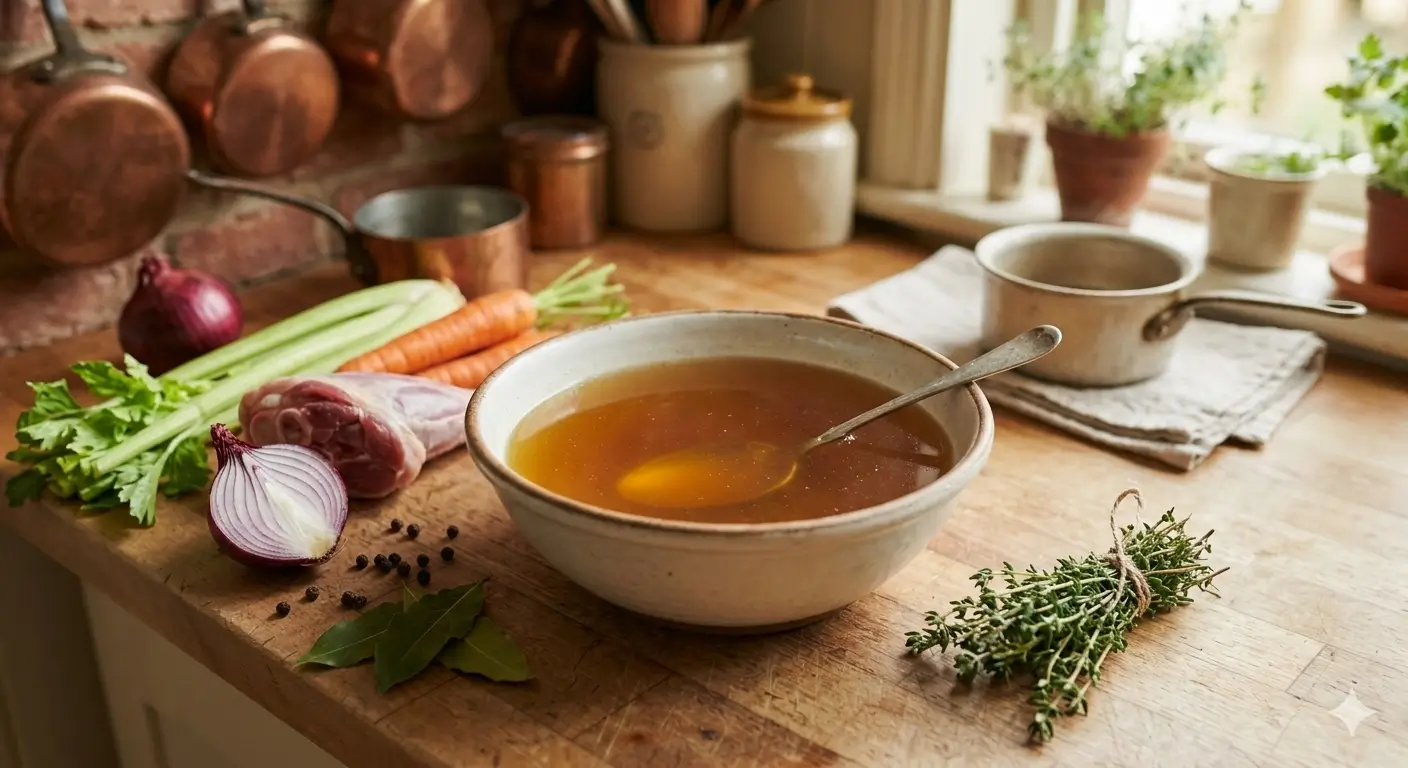
The best part? It requires zero tedious peeling or precise chopping. In less than three hours, you will yield six quarts of liquid gold perfect for Sunday roast gravy, rustic stews, or freezing for later. This step-by-step guide makes traditional stock-making effortless!
Ingredients:
| Qty | Unit | Ingredient | ||
|---|---|---|---|---|
| 1 | whole | Lamb Shank | ||
| 6 | quarts | Water » approximately |

Water
Water, the essence of life, is a transparent, tasteless, and odorless liquid that covers about 71% of the Earth's surface. Its neutral flavor allows other ingredients to shine while enhancing the overall texture
Read more...
|
|
| 3 | stalks | Celery |
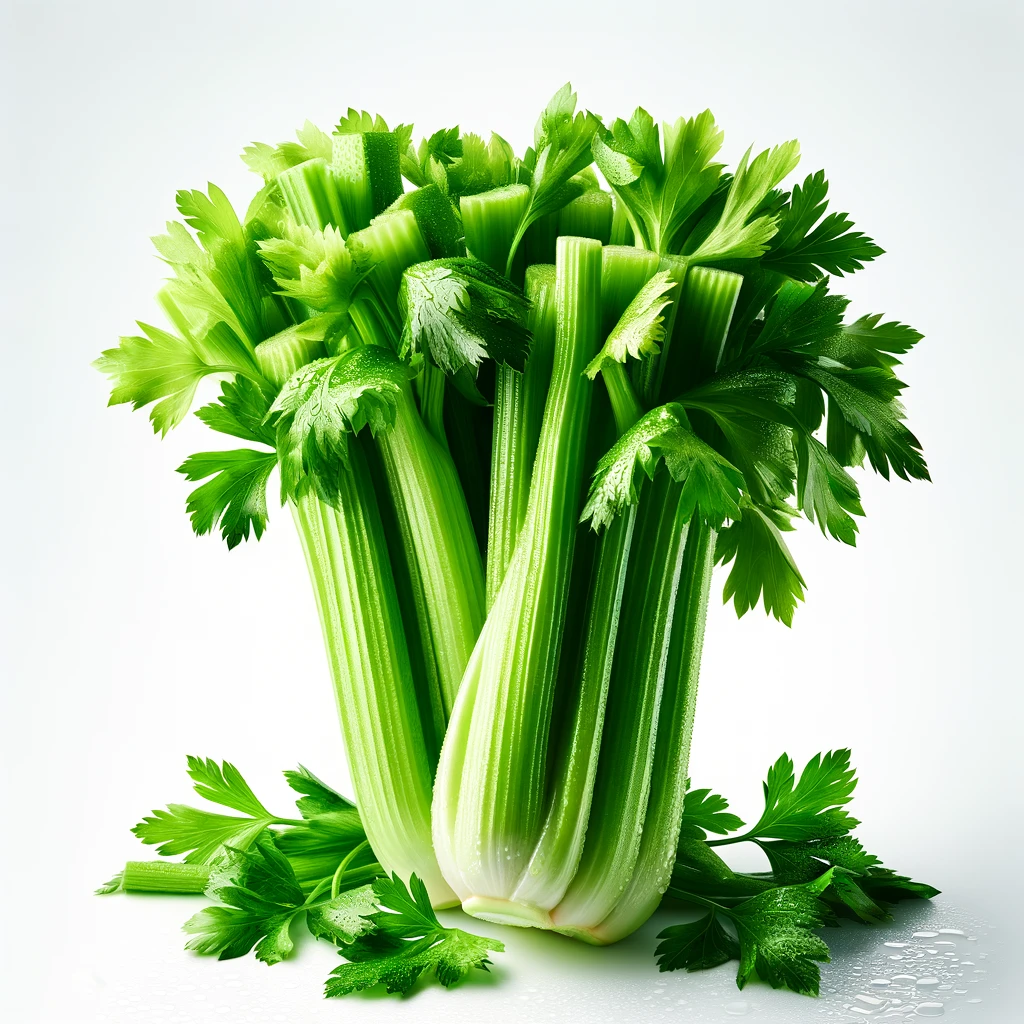
Celery
Celery is a crunchy, fibrous vegetable with a distinctive, slightly bitter taste, often used in salads, soups, and as a flavoring base in cooking.<br />
<br />
It's a staple in many kitchens, is known for its
Read more...
|
|
| 2 | large | Carrots |
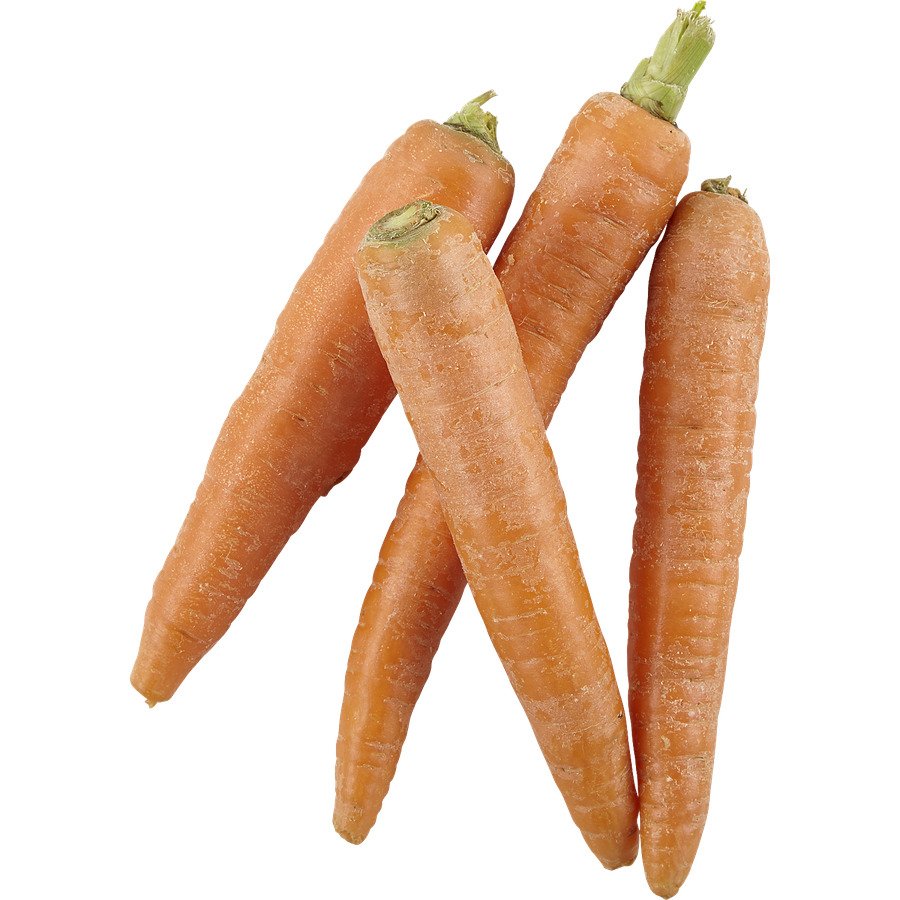
Carrots
Carrots, pronounced KAR-uts, are a root vegetable known for their vibrant orange color, although they can also be found in purple, yellow, white, and red varieties.<br />
<br />
Crunchy, sweet, and highly nutritious, carrots are used
Read more...
|
|
| 2 | medium | Onions |
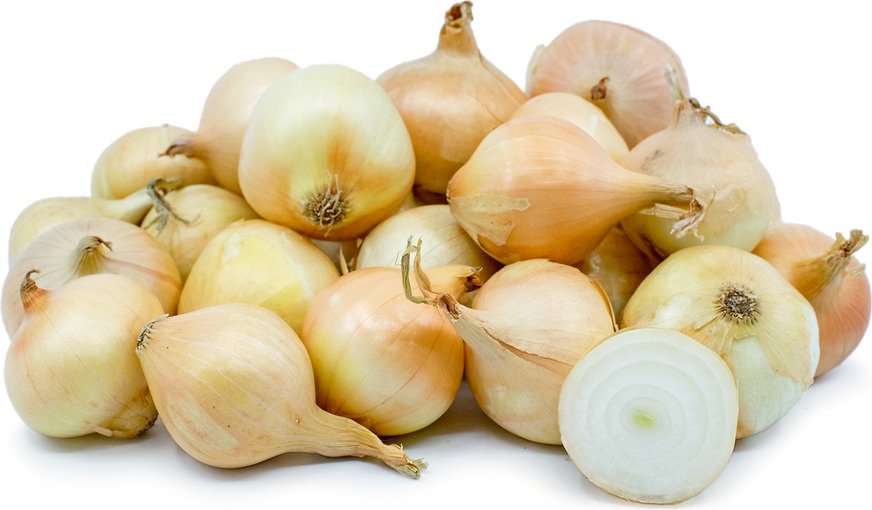
Onions
The Onion is a member of the Allium family of plants and is a close relative of garlic, scallions, leeks and chives. Onions are considered root vegetables because they grow below the surface
Read more...
|
|
| 1 | can | Tomatoes » diced | ||
| 1 | teaspoon | Salt |

Salt
Salt, pronounced 'sawlt', is a finely ground mineral primarily composed of sodium chloride. It is the most common type of salt used in everyday cooking and seasoning.<br />
<br />
Above and beyond its basic uses, table
Read more...
|
|
| 3 | whole | Peppercorns | ||
| 2 | whole | Bay Leaves |
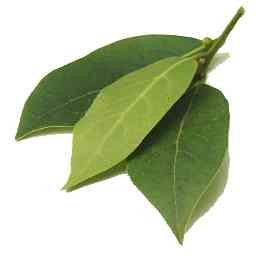
Bay Leaves
Bay leaves are oval in shape, measuring about 2 inches to 4 inches in length and tapered to a slender point. These short stemmed, dark green leaves are smooth with a glossy sheen
Read more...
|
| Prep Time | Process Time | Overall Time |
|---|---|---|
| 20 Minutes | 2 Hours 30 Minutes | 2 hours 50 minutes |
Directions:
Prep the Vegetables
Wash: Thoroughly wash the celery, carrots, and onions under cold water.
Chop: Rough chop all of the vegetables to approximately the same size. Peeling them is not necessary as the vegetables will be discarded later.
1. Boil: Place the lamb shank bone into a large stockpot and cover entirely with the 6 quarts of water. Bring to a boil over high heat. Once boiling, reduce the stove heat down to medium.
2. Add Aromatics: Stir in the chopped celery, carrots, onions, diced tomatoes, salt, peppercorns, and bay leaves.
3. Simmer: Partially cover the pot with a lid. Let it simmer gently for 1 to 2 hours, allowing the liquid to reduce and develop a rich flavor.
4. Taste Test: Taste the stock near the end of cooking. If the flavor feels a little weak, simply turn up the heat slightly and let the liquid boil down and reduce further.
5. Strain: Set a large colander or fine-mesh strainer over a massive mixing bowl. Carefully pour the contents of the pot through the strainer to catch the liquid.
6. Discard: Discard the spent shank bone, vegetables, and bay leaves.
7. Skim: Use a ladle to skim off any excess fat that floats to the top of the strained liquid.
8. Store: Use the stock immediately, or let it cool before storing. Refrigerator: Keeps well for 3 to 4 days. Freezer: Freeze in airtight containers for up to 2 months.
9. Be sure to label and date your container.
Submitted by Kagar K.
| October 2nd, 2026
See all of Kagar K.'s Recipes.

Recipes that Compliment:
-
 / 2371
Advertisement
Advertisement
Tested & True
Make your own ginger juice easily by using a garlic press. Just take a 1 x 2 inch piece of ginger root, squeeze it with the press, and quickly get about 1 tablespoon of fresh ginger juice. This hack is a quick way to add a burst of flavor to your drinks and dishes with minimal effort.
| @Kagar K. | December 9th, 2023 |
|---|
|
Refrigerated, this Lamb Stock will keep for 3 to 4 days. Frozen, it will keep for 2 months. I gave it a 5 |